
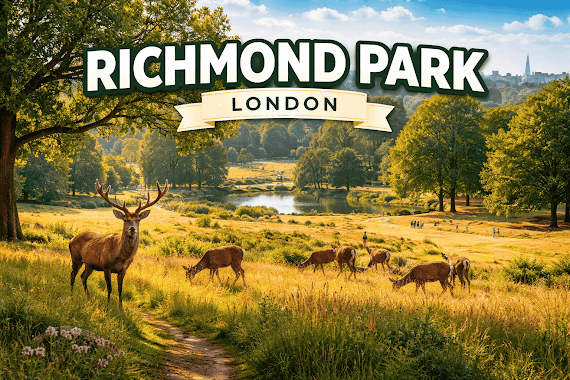
Richmond Park is one of London’s most extraordinary natural landmarks a place where royal history, untamed wildlife, and vast open landscapes come together in perfect balance. Unlike many city parks designed primarily for leisure, Richmond Park feels more like a piece of countryside carefully preserved within the boundaries of a global capital.
Spanning over 2,500 acres, Richmond Park is the largest Royal Park in London and one of the largest urban parks in Europe. It offers visitors a rare opportunity to experience ancient woodlands, wild grasslands, and free-roaming deer just a short distance from central London.
Introduction to Richmond Park, London
Richmond Park is located in South West London, primarily within the borough of Richmond upon Thames, with parts extending into Kingston upon Thames and Roehampton. Despite its proximity to residential neighbourhoods and busy roads, the park retains a sense of wilderness that feels worlds away from urban life.
The park is managed by The Royal Parks, an independent charity responsible for preserving London’s historic royal green spaces. Richmond Park is not only a recreational area but also a National Nature Reserve, making it one of the most ecologically important sites in Greater London.
What sets Richmond Park apart is its unchanged landscape. For centuries, the land has been protected from development, allowing ancient trees, rare plants, and wildlife ecosystems to thrive naturally.
Why Richmond Park Is Famous
Richmond Park is internationally recognised for several reasons:
- It is London’s largest Royal Park
- Home to hundreds of wild deer
- Features protected ancient oak trees
- Offers panoramic views across London
- Holds deep royal and political history
- Designated as a National Nature Reserve
- Preserved largely unchanged since the 17th century
Few places in London combine history, nature, and tranquillity on this scale.
Richmond Park London Timings (Detailed Guide)
Understanding the park’s opening and closing times is essential when planning your visit.
General Opening Hours
Richmond Park is open daily, including weekends and public holidays.
- Opening Time: 7:00 AM (all year)
- Closing Time: Varies by season and sunset time
Seasonal Closing Times
- Spring & Summer (April – September):Usually closes between 7:30 PM – 8:00 PM
- Autumn (October):Closes around 6:30 PM
- Winter (November – March):Closes at dusk, typically between 4:00 PM – 5:30 PM
Vehicle gates often close earlier than pedestrian gates during winter months.
Richmond Park Ticket Price & Entry Fee
Is There Any Entry Fee for Richmond Park?
No. Richmond Park is completely free to enter.
- Ticket Price: £0
- Entry Fee: £0
- Walking, jogging, photography: Free
- Cycling (on permitted routes): Free
This makes Richmond Park one of the best free attractions in London.
Car Parking Charges at Richmond Park (Important Information)
While entry to Richmond Park London is completely free, visitors who arrive by car should be aware that parking charges apply at designated car parks within the park. These charges help support conservation work, maintenance of facilities, and the protection of wildlife across the park.
Richmond Park Parking Fees
Parking fees are charged per vehicle for the entire day. Payment can usually be made using on-site payment machines or approved digital payment methods.
Car Parking Charges (Important Information)
While entry is free, parking fees apply to cars using designated car parks inside the park.
| Vehicle Type | Parking Charge | Additional Notes |
|---|---|---|
| Cars | Approximately £7 per day | Valid for the whole day within the park |
| Motorcycles | Free | No parking fee required |
| Blue Badge Holders | Free | Badge must be clearly displayed |
Important Parking Guidelines
- Parking is permitted only in marked and designated car park areas.
- Parking on grassland or roadside verges is not allowed.
- Parking charges may change, so visitors are advised to check signage on arrival.
- Blue Badge holders can park free of charge in designated bays.
- All vehicles must leave the park before gate closing times.
Why Parking Charges Apply
Revenue generated from parking charges is reinvested into Richmond Park to support habitat conservation, road maintenance, visitor facilities, and wildlife protection. Paying for parking helps preserve the natural beauty and historic landscape of the park for future generations.
Visitors are encouraged to use public transport, walking, or cycling where possible to reduce traffic and environmental impact within Richmond Park.
History of Richmond Park – A Deep Dive
Creation of Richmond Park (1637)
Richmond Park was created in 1637 during the reign of King Charles I. At the time, England was politically unstable, and the King sought to establish a secure royal hunting ground near London.
The land was enclosed with a brick wall, parts of which still exist today. This wall, over 11 kilometres long, helped preserve the park’s boundaries and protect deer from poachers.
Royal Hunting Traditions
Richmond Park was originally used as a deer hunting park for royalty and nobility. Red and fallow deer were introduced and carefully managed to maintain a sustainable population.
Unlike other royal parks that were later landscaped or redesigned, Richmond Park remained largely untouched, preserving its original character.
Opening the Park to the Public
By the 18th century, access to Richmond Park gradually expanded to include the public. Over time, it became a shared space still protected, yet open to everyone.
Richmond Park in Modern Times
Today, Richmond Park represents:
- Over 380 years of continuous history
- One of the best-preserved historic landscapes in England
- A balance between public access and strict conservation
The park’s layout today closely resembles its original 17th-century design.
Wildlife in Richmond Park London
The Famous Deer of Richmond Park
One of the main attractions of Richmond Park is its free-roaming deer population, which has existed here since the park’s creation.
There are approximately:
- 300 Red Deer
- 300 Fallow Deer
These deer live entirely wild and are not domesticated.
You can also get information about : Top 10 Best Parks in London for Picnics
Deer Rutting Season (Autumn)
The deer rut occurs between September and November and is one of the most dramatic natural events in London.
During this time:
- Male deer compete for mates
- Loud roars can be heard across the park
- Visitors must maintain extra distance
Visitors are advised to keep at least 50 metres away during rutting season.
Other Wildlife Species
Richmond Park supports an impressive range of wildlife:
- Over 140 bird species
- Owls, kestrels, and woodpeckers
- Foxes, rabbits, and bats
- Rare beetles and insects
- Amphibians living in ponds and wetlands
Ancient Trees & Natural Landscape
Richmond Park is home to:
- Ancient oak trees over 700 years old
- Rare fungi and mosses
- Grassland habitats unique to the region
These ancient trees support thousands of species and are among the oldest living organisms in London.
Top Things to Do in Richmond Park
1. Walking & Nature Trails
Richmond Park offers miles of walking paths suitable for:
- Leisure walks
- Nature exploration
- Long countryside-style hikes
The terrain varies from flat grassland to gentle hills.
2. Cycling in Richmond Park
Cycling is permitted on:
- Designated roads
- Approved cycling routes
Off-road cycling is restricted to protect wildlife habitats.
3. Picnics in Richmond Park
Richmond Park is perfect for picnics due to:
- Open spaces
- Quiet surroundings
- Scenic views
Barbecues and fires are not allowed.
4. Photography & Filming
Photographers visit Richmond Park year-round for:
- Sunrise mist
- Deer photography
- Seasonal colours
- Wide landscape shots
5.Birdwatching
Early mornings are ideal for spotting:
- Woodland birds
- Birds of prey
- Migratory species
Best Viewpoints in Richmond Park
King Henry’s Mound
One of London’s most famous viewpoints, offering:
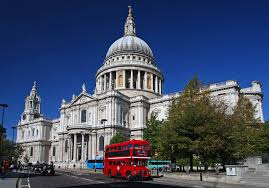
- A protected sightline to St Paul’s Cathedral
- Views across the Thames Valley
Pembroke Lodge Gardens
A landscaped garden area with:
- Flower beds
- Seating
- Exceptional sunset views
Pembroke Lodge – History & Visitor Experience
Pembroke Lodge is a historic Georgian mansion located within Richmond Park.
Why Pembroke Lodge Is Special
- Former residence of royalty
- Panoramic views over Surrey and the Thames
- Popular café and restaurant
It is one of the best places in the park for:
- Afternoon tea
- Relaxation
- Photography
Richmond Park Facilities & Amenities
While Richmond Park is intentionally natural, basic amenities are available:
- Toilets near major car parks
- Cafés and refreshment kiosks
- Information boards
- Accessible paths in selected areas
There are no playgrounds or amusement rides, maintaining the park’s natural character.
How to Reach Richmond Park London
By Train
- Richmond Station
- Kingston Station
- Barnes Station
By Bus
Several London bus routes stop near park entrances.
By Car
Multiple vehicle entrances with parking inside the park.
Best Time to Visit Richmond Park
Spring
- Blooming flowers
- Birdsong
- Fresh greenery
Summer
- Long days
- Ideal for picnics
- Busy but spacious
Autumn
- Deer rutting season
- Golden foliage
Winter
- Quiet atmosphere
- Frosty landscapes
- Clear views
Rules & Safety Guidelines
To protect wildlife and visitors:
- Do not feed animals
- Keep dogs under control
- Use leads during deer season
- No littering
- No drones or fires
Richmond Park with Family & Children
Families enjoy Richmond Park for:
- Nature learning
- Wildlife spotting
- Open play areas (informal)
Children should always be supervised due to wildlife.
Richmond Park vs Other London Parks
London is home to many beautiful parks, each offering a different experience. While parks like Hyde Park, Regent’s Park, and Green Park are popular for their central locations and attractions, Richmond Park stands out for its sheer size, wildlife, and untouched natural landscape. Below is a detailed comparison to help visitors understand how Richmond Park differs from other major London parks.
| Feature | Richmond Park | Hyde Park | Regent’s Park | Green Park |
|---|---|---|---|---|
| Location | South West London | Central London | North West Central London | Central London |
| Size | Largest Royal Park in London | Large urban park | Medium-sized | Small |
| Wildlife | High (wild deer, birds, foxes) | Low | Moderate | Very Low |
| Natural Landscape | Wild grassland and ancient woodland | Manicured lawns and lakes | Formal gardens and open lawns | Mostly open grassland |
| Historical Significance | Royal hunting ground since 1637 | Royal park with urban history | Designed royal gardens | Former royal hunting land |
| Family Attractions | Nature walks and wildlife viewing | Playgrounds and boating | Zoo and rose gardens | Limited |
| Best For | Nature lovers, wildlife, peaceful walks | Tourists and city sightseeing | Gardens and family visits | Quick relaxation breaks |
| Entry Fee | Free | Free | Free | Free |
In summary, Richmond Park offers a countryside-style experience that is very different from London’s central parks. Visitors seeking wildlife, wide open spaces, and a quieter atmosphere will find Richmond Park ideal, while those looking for attractions, cafés, and iconic city views may prefer parks located in central London.
| Park | Size | Wildlife | Entry Fee |
| Richmond Park | Largest | Very High | Free |
| Hyde Park | Large | Low | Free |
| Regent’s Park | Medium | Moderate | Free |
Why Richmond Park Is a Must-Visit in London
Richmond Park offers something rare:
- True wilderness
- Deep history
- Free access
- Peace within a capital city
It represents London at its most natural and timeless.
Quick Visitor Information – Richmond Park London
This quick visitor information guide provides essential details for anyone planning a visit to Richmond Park London. It is ideal for first-time visitors who want an easy overview before exploring the park.
| Location | South West London, United Kingdom |
|---|---|
| Park Type | Royal Park and National Nature Reserve |
| Total Area | Over 2,500 acres |
| Entry Fee | Free entry for all visitors |
| Opening Time | 7:00 AM (daily) |
| Closing Time | Sunset (varies by season) |
| Best Time to Visit | Autumn for deer rutting season and scenic colours |
| Famous For | Wild deer, ancient trees, open grasslands, panoramic views |
| Main Attractions | Pembroke Lodge, King Henry’s Mound, wildlife viewing |
| Activities | Walking, cycling (designated routes), photography, picnics |
| Parking | Paid parking for cars; free for Blue Badge holders and motorcycles |
| Dog Policy | Dogs allowed under control; leads required during deer season |
| Family Friendly | Yes, with adult supervision around wildlife |
| Managed By | The Royal Parks |
Frequently Asked Questions About Richmond Park London
Is Richmond Park London free to enter?
Yes, Richmond Park London is completely free to enter. Visitors do not need to buy any tickets or passes to walk, relax, or explore the park. Entry is free throughout the year, making it one of the best free attractions in London.
What are the opening and closing times of Richmond Park?
Richmond Park opens daily at 7:00 AM. Closing times depend on the season and daylight hours. During summer, the park usually closes around 8:00 PM, while in winter it closes at dusk, often between 4:00 PM and 5:30 PM.
Is there any ticket price or entry fee for Richmond Park?
No, there is no ticket price or entry fee for Richmond Park. All visitors can enter the park free of charge. However, parking fees apply for cars using designated parking areas inside the park.
Why is Richmond Park famous?
Richmond Park is famous for being London’s largest Royal Park, its free-roaming deer, ancient trees, protected wildlife habitats, and stunning panoramic views. It is also a National Nature Reserve and has over 380 years of royal history.
Can you see deer in Richmond Park?
Yes, Richmond Park is home to around 600 wild deer, including red deer and fallow deer. The deer roam freely throughout the park and can be seen all year, especially in the early morning or late afternoon.
Is Richmond Park safe to visit with children?
Yes, Richmond Park is safe for families and children, but adult supervision is essential. Children should be kept at a safe distance from wildlife, especially deer, and should not approach or feed animals.
Are dogs allowed in Richmond Park?
Yes, dogs are allowed in Richmond Park, but they must be kept under control at all times. During the deer breeding and rutting seasons, dogs should be kept on leads to protect both wildlife and visitors.
Is cycling allowed in Richmond Park?
Cycling is allowed in Richmond Park on designated roads and approved cycling routes. Off-road cycling is not permitted in order to protect wildlife habitats and natural landscapes.
What is the best time of year to visit Richmond Park?
Richmond Park can be visited all year, but autumn is especially popular due to the deer rutting season and colourful foliage. Spring offers blooming flowers, summer provides long daylight hours, and winter is peaceful with fewer visitors.
How long does it take to explore Richmond Park?
The time needed to explore Richmond Park depends on your interests. A short visit may take 1–2 hours, while a full exploration including walking, photography, and relaxing can take half a day or more.
Is there parking available at Richmond Park?
Yes, Richmond Park has designated car parks available to visitors. Parking is paid for cars, while motorcycles and Blue Badge holders can park free of charge.
Can you picnic in Richmond Park?
Yes, picnicking is allowed in Richmond Park. Visitors are encouraged to bring their own food and enjoy the open spaces. However, barbecues, fires, and disposable grills are not permitted.
What is Pembroke Lodge in Richmond Park?
Pembroke Lodge is a historic Georgian mansion located inside Richmond Park. It offers beautiful gardens, panoramic views across London and the Thames Valley, and a café and restaurant for visitors.
Is Richmond Park accessible for wheelchair users?
Richmond Park has some accessible paths, car parks, and facilities suitable for wheelchair users. However, due to its natural landscape, not all areas are fully accessible.
Can you visit Richmond Park in winter?
Yes, Richmond Park is open during winter and offers a quieter, more peaceful experience. Winter visits often feature frosty landscapes, clear views, and fewer crowds compared to summer months.
Final Thoughts
Richmond Park London is not just a park it is a living historic landscape and one of the most precious natural spaces in the UK. Whether you’re visiting for history, photography, wildlife, or simple peace, Richmond Park delivers an experience that few cities in the world can offer.
With free entry, centuries of heritage, and breathtaking natural beauty, Richmond Park deserves a place at the top of every London travel guide.
You can also get information about : Windsor Castle in London




Leave a Reply