
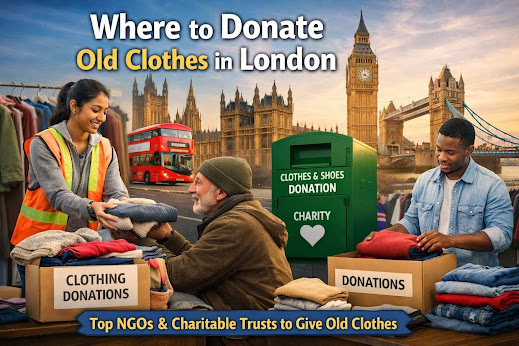
London is a city that constantly moves forward new trends, new fashion, new lifestyles. Yet behind the bright streets and historic landmarks, many people struggle daily for basic necessities, including clothing. Donating old clothes in London is not just about clearing wardrobe space; it is about restoring dignity, warmth, and hope to those who need it most.
For pilgrims, socially conscious residents, spiritual travellers, and service-oriented individuals, donating clothes is a meaningful act of seva selfless service. This guide is written to help you donate responsibly, ethically, and with awareness, ensuring your clothes reach hands that truly benefit from them.
Why Donating Old Clothes in London Has a Deeper Meaning
Clothing donation is often seen as a small act, but in reality, it has layers of impact:
1. Human Dignity
Clean clothes restore confidence. A warm jacket can protect someone sleeping outdoors. A formal shirt can help someone attend a job interview.
2. Environmental Responsibility
London produces thousands of tonnes of textile waste every year. Donating clothes extends garment life and reduces landfill pressure.
3. Community Service
Charitable trusts use donated clothing to fund shelters, food programmes, education, medical aid, and emergency relief.
4. Pilgrim-Oriented Giving
For people guided by spiritual values, giving clothes is an act of compassion, humility, and gratitude giving back without expectation.
Understanding How Clothing Donations Work in London
Before donating, it helps to understand what happens after you give your clothes:
- Some clothes are distributed directly to homeless shelters or vulnerable families
- Some are sold through charity shops
- Funds raised support:
- Homeless outreach
- Women’s empowerment
- Refugee assistance
- Children’s welfare
- Elderly care
- Environmental projects
Every donated item becomes part of a cycle of help.
Top NGOs & Charitable Trusts Accepting Old Clothes in London
Below are ethically focused, service-driven organisations where clothing donations are used responsibly.
1. Community-Focused Clothing Charities (Direct Impact)
These organisations prioritise people first, ensuring clothes reach individuals in need.
Local Clothing Trusts & Community Charities
Many borough-level charities work quietly but effectively. They:
- Distribute clothes to homeless individuals
- Support single parents and low-income families
- Provide winter clothing during cold months
- Assist migrants and refugees settling in London
Why donate here?
- Your clothes often reach people directly
- Strong local impact
- High transparency
Pilgrims and service-minded donors often prefer these trusts because the human connection is visible.
2. Charitable Shops Supporting Social Causes
Charity shops across London accept donated clothes and use proceeds for humanitarian work.
What Happens to Your Clothes
- Good-quality items are sold affordably
- Profits fund shelters, food programmes, healthcare, and education
- Unsellable textiles are responsibly recycled
This model ensures nothing is wasted.
3. Clothing Donation Banks Across London
You may notice clothing banks in:
- Residential areas
- Supermarket car parks
- Near underground stations
- Community centres
These bins accept:
- Clothes
- Shoes
- Accessories
- Small textiles
Collected items are sorted and distributed or recycled ethically.
Pilgrim note:Always use
registered charity bins, not unmarked containers.
4. Home Collection Clothing Donation Services
For people with busy schedules or large quantities of clothes, London offers doorstep donation collections.
Why Home Collection Is Valuable
- No travel required
- Ideal for elderly donors or families
- Encourages bulk donation
- Clothes are sorted professionally
Your donation still supports charitable causes even if items are resold.
5. Faith-Linked Charitable Organisations
London is home to many faith-based charities rooted in:
- Compassion
- Service
- Human dignity
These organisations often support:
- Homeless individuals
- Refugees
- Women escaping abuse
- Elderly people without family support
For pilgrims, donating through faith-guided trusts aligns giving with spiritual values.
What Type of Clothes Can You Donate?
Accepted Items
- Clean everyday clothing
- Winter jackets, coats, sweaters
- Children’s clothes
- Shoes (paired)
- Scarves, hats, gloves
- Modest clothing suitable for shelters
- Workwear and formal attire
Usually Not Accepted
- Wet or dirty clothes
- Torn beyond repair
- Underwear (unless new)
- Used socks
If unsure, always ask or check guidelines.
How to Prepare Clothes for Donation (Respectfully)
Pilgrim-oriented giving includes mindfulness and care.
Step 1: Clean
Wash and dry all clothes.
Step 2: Inspect
If you wouldn’t wear it yourself, don’t donate it.
Step 3: Sort
Separate:
- Adult clothes
- Children’s clothes
- Winter wear
- Shoes & accessories
Step 4: Pack Thoughtfully
Use clean bags or boxes.
This shows respect to both the recipient and the charity workers.
Seasonal Clothing Needs in London
Winter (Most Critical)
- Heavy coats
- Thermal wear
- Gloves, hats
- Boots
Summer
- Light cotton clothing
- Comfortable footwear
Year-Round
- Workwear
- Children’s clothing
- Modest everyday clothes
Donating season-appropriate clothing increases usefulness.
Pilgrim Perspective: Clothing Donation as Service
Across cultures and traditions, giving clothes is considered a noble act:
- In many spiritual paths, clothing symbolises dignity
- Giving protects others from suffering
- Donation reduces ego and attachment
- Service purifies intention
In London’s diverse society, this act bridges faith, humanity, and responsibility.
Ethical Donation: What to Avoid
To ensure your donation truly helps:Do not donate damaged items Do not dump clothes irresponsibly Do not treat charities as waste disposal Do not assume “someone else will sort it”
Ethical giving is conscious giving.
Supporting Refugees & Vulnerable Migrants
London shelters thousands of displaced individuals:
- Asylum seekers
- Refugees
- New migrants
Clothing donations help them:
- Adapt to climate
- Feel accepted
- Rebuild confidence
Many charities quietly support these groups through donated clothing.
How Clothing Donations Help Beyond Clothing
Your donated clothes may help fund:
- Hot meals
- Emergency shelter beds
- Mental health support
- Skill training programmes
- Medical assistance
- Child education initiatives
One shirt can become much more than a shirt.
Encouraging Others to Donate
You can multiply impact by:
- Organising local clothing drives
- Encouraging workplace donations
- Educating family members
- Sharing donation awareness respectfully
Service grows when shared.
Common Questions About Donating Clothes in London
Is donating clothes better than recycling?
Yes. Donation extends use before recycling.
Do charities make money from donations?
Yes, but profits fund humanitarian work.
Can tourists or pilgrims donate clothes?
Absolutely. Short-term visitors are welcome to donate.
Is it okay to donate cultural or traditional clothing?
Yes, if clean and wearable.
Frequently Asked Questions – Donating Old Clothes in London
Why should I donate old clothes instead of throwing them away?
Donating old clothes helps people in need, reduces textile waste, and supports charitable work across London. It allows your unused garments to provide warmth, dignity, and comfort while protecting the environment.
Where can I donate old clothes in London?
Old clothes can be donated to registered NGOs, charitable trusts, community shelters, charity shops, clothing banks, and organisations offering home collection services throughout London.
Can pilgrims or short-term visitors donate clothes in London?
Yes, pilgrims, tourists, and temporary visitors are welcome to donate clothes in London. Many donation points and charities accept walk-in contributions without any formal registration.
What condition should donated clothes be in?
Donated clothes should be clean, dry, and in wearable condition. Clothes that are heavily damaged, unwashed, or unusable are generally not accepted by charities.
Are winter clothes more useful for donation in London?
Yes, warm clothing such as jackets, coats, sweaters, gloves, and scarves are especially valuable during London’s cold months and are highly requested by shelters and charitable trusts.
Do charities in London offer home pickup for clothing donations?
Many organisations provide free home collection services for donated clothes. This option is convenient for individuals with large quantities of clothing or limited mobility.
Can I donate children’s clothes and school uniforms?
Yes, children’s clothing and school uniforms are widely accepted and greatly needed by families experiencing financial hardship across London.
Is it acceptable to donate cultural or traditional clothing?
Cultural, traditional, and modest clothing can be donated as long as it is clean and in good condition. Such garments are often appreciated by diverse communities and faith-based charities.
What happens to donated clothes after I give them?
Donated clothes are either distributed directly to people in need, sold through charity shops to raise funds, or recycled responsibly to support environmental and humanitarian initiatives.
Can donated clothes help homeless people directly?
Yes, many shelters and community organisations distribute donated clothing directly to homeless individuals, especially during emergency weather conditions and outreach programmes.
Is donating clothes considered a charitable or spiritual act?
For many people, donating clothes is a form of selfless service and compassion. It reflects care for others, gratitude for what one has, and a commitment to social responsibility.
Are there any items that should not be donated?
Most charities do not accept heavily damaged clothes, used underwear, wet garments, or items with strong odours. Always check guidelines before donating.
How can I make my clothing donation more impactful?
Washing clothes before donating, sorting them properly, donating season-appropriate items, and supporting trusted charities all help ensure your contribution makes a meaningful difference.
Can I organise a clothing donation drive in my local area?
Yes, community donation drives are encouraged and can significantly increase impact. Local charities often support group collections organised by residents, workplaces, or faith centres.
Final Thoughts: Giving With Purpose in London
Donating old clothes in London is a simple yet powerful act. It brings warmth to the cold, dignity to the struggling, and meaning to the giver. When done consciously, it becomes more than charity it becomes service, responsibility, and compassion in action.Whether you donate one jacket or an entire wardrobe, your act contributes to a city that thrives not just on progress, but on kindness.














Leave a Reply